

Technical Consulting & Waterproofing — Rwanda
Does your roof leak?
We’ll tell you why —
before we sell you anything.
Freeman Solutions diagnoses water ingress at the source, then applies engineered waterproofing systems and construction chemicals built to hold through Rwanda’s rainy seasons — backed by technical support from first site visit to final inspection.
Field Diagnostic
Inspect
On-site assessment of leak source, substrate, and prior repairs.
Specify
Engineered system matched to the structure and exposure.
Apply
Certified installation with documented quality checks.
Support
Warranty-backed follow-up and maintenance guidance.
Start with your problem
What’s going on at your property?
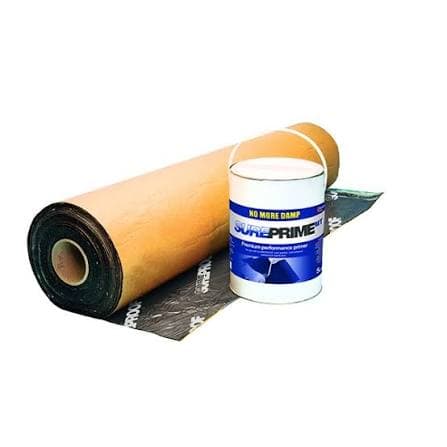
Recommended
Roof Waterproofing
A leaking roof is rarely a single hole — it is almost always a chain of small failures that only become visible once water has already travelled through your ceiling. By the time you see a stain or a drip, the water has moved along rafters, around insulation, and across the underside of the deck, so the visible mark is often metres away from the actual entry point. That is why we never patch the stain. We trace the water back to its source. Our roof waterproofing work begins with a full inspection of the roof surface, the parapets, the penetrations, and the drainage. We look for cracked or blistered membrane, failed laps at sheet joints, open detailing around pipes and vents, and ponding areas where water sits long enough to find a way through. We also check the condition of the substrate beneath the membrane, because a membrane is only as good as the surface it is bonded to. For most roofs in Rwanda we specify torch-applied modified bitumen membranes, which are tough, repairable, and proven in tropical climates. Where the roof has complex geometry, multiple penetrations, or a substrate that cannot take a torch, we use liquid-applied polyurethane or acrylic coatings that form a seamless, fully bonded layer. Both systems are detailed at the parapet upstands, the corners, and every pipe penetration, because that is where the vast majority of roof leaks actually begin. We also correct the drainage falls where necessary. A roof that ponds water after every rain is a roof that is being slowly destroyed — standing water adds weight, accelerates membrane ageing, and forces water through any weakness under hydrostatic pressure. By re-establishing positive drainage to the outlets, we remove the standing water that would otherwise undo the new membrane within a season or two. The result is a roof system that is engineered for the structure, installed by trained applicators, and documented with photographs at every stage. You receive a clear scope of work before we start, a written specification of the system we will install, and a warranty that covers the workmanship. If the roof leaks again, we come back — that is the standard we hold ourselves to. The first thing we look at is the age and condition of the existing roof covering. A membrane that has been exposed to the sun for years will have lost its flexibility, and the surface will be covered in fine cracks that are invisible from the ground. These cracks are the beginning of the end for the roof — they let water into the membrane, and once the water is in, it spreads along the reinforcement and finds the laps and the details. We also check the condition of the parapet walls. The parapet is the vertical wall that rises above the roof, and it is the most exposed part of the roof system. The parapet is subjected to the full force of the rain, the wind, and the sun, and the detailing at the top of the parapet is where the water is most likely to find a way in. We check the coping, the flashing, and the sealant, and we repair the details that are failing. The penetrations are the next point of inspection. Every pipe, every vent, and every cable that passes through the roof is a potential leak, and the detailing at the penetrations is where the water is most likely to find a way through. We check the pipe collars, the vent boots, and the cable entries, and we re-detail the ones that are letting the water in. The drainage is the final part of the inspection. The roof has to drain the water away, and the drains have to be clear and the outlets have to be the right size. We check the gutters, the downpipes, and the outlets, and we clear the blockages that are causing the water to pond on the roof. Once the inspection is complete, we give you a written report of what we found. The report includes the photographs of the roof, the description of the problems, and the recommendation of the system. The report is the basis of the quote, and the quote is the basis of the work. The installation is carried out by our trained applicators, and the work is documented at every stage. We take the photographs of the preparation, the application, and the finished roof, and we provide the photographs with the warranty. The warranty is the promise that the roof will not leak, and the promise is the standard we hold ourselves to. The roof is the most important part of the building, and the roof is the part that is the most exposed. The roof is the part that is the rain, the sun, and the wind, and the roof is the part that is the most likely to fail. We make sure the roof is the part that is the most protected. The first thing we look at is the age and condition of the existing roof covering. A membrane that has been exposed to the sun for years will have lost its flexibility, and the surface will be covered in fine cracks that are invisible from the ground. These cracks are the beginning of the end for the roof — they let water into the membrane, and once the water is in, it spreads along the reinforcement and finds the laps and the details. We also check the condition of the parapet walls. The parapet is the vertical wall that rises above the roof, and it is the most exposed part of the roof system. The parapet is subjected to the full force of the rain, the wind, and the sun, and the detailing at the top of the parapet is where the water is most likely to find a way in. We check the coping, the flashing, and the sealant, and we repair the details that are failing. The penetrations are the next point of inspection. Every pipe, every vent, and every cable that passes through the roof is a potential leak, and the detailing at the penetrations is where the water is most likely to find a way through. We check the pipe collars, the vent boots, and the cable entries, and we re-detail the ones that are letting the water in. The drainage is the final part of the inspection. The roof has to drain the water away, and the drains have to be clear and the outlets have to be the right size. We check the gutters, the downpipes, and the outlets, and we clear the blockages that are causing the water to pond on the roof. Once the inspection is complete, we give you a written report of what we found. The report includes the photographs of the roof, the description of the problems, and the recommendation of the system. The report is the basis of the quote, and the quote is the basis of the work. The installation is carried out by our trained applicators, and the work is documented at every stage. We take the photographs of the preparation, the application, and the finished roof, and we provide the photographs with the warranty. The warranty is the promise that the roof will not leak, and the promise is the standard we hold ourselves to. The roof is the most important part of the building, and the roof is the part that is the most exposed. The roof is the part that is the rain, the sun, and the wind, and the roof is the part that is the most likely to fail. We make sure the roof is the part that is the most protected.
Why Freeman
The trust is in the process, not the pitch.
Every job starts the same way: understand the problem, explain it clearly, and only then propose a solution.
Diagnosis Before Products
We inspect and identify the real source of water ingress before recommending any system — not the other way around.
Certified Technical Expertise
Application teams trained on manufacturer specifications, so every system performs as engineered.
Right Materials, Every Time
Trusted product lines including Sika, sourced and stored correctly to guarantee shelf life and performance.
Support After Installation
Warranty-backed follow-up. If a question comes up six months later, we are still the ones you call.
500+
Sites Assessed
98%
Repeat Client Rate
6
Provinces Served
24hr
Typical Response Time
Solutions
Six problems we solve most often
Every solution below starts with an on-site assessment — nothing is prescribed sight-unseen.
Roof Waterproofing
A leaking roof is rarely a single hole — it is almost always a chain of small failures that only become visible once water has already travelled through your ce…
Learn moreBelow-Grade & Basement Waterproofing
A basement that floods is not just an inconvenience — it is a structural problem in progress. Water entering below grade brings with it soil particles, chloride…
Learn moreDamp-Proofing & Wall Treatments
Damp walls are one of the most common problems we are called to, and one of the most commonly misdiagnosed. The paint is peeling, the plaster is soft, there is…
Learn moreWet-Area Waterproofing
A leak from a bathroom or kitchen into the floor below is one of the most disruptive problems a property owner can face. The ceiling below is stained, the plast…
Learn moreTank & Reservoir Lining
A leaking water tank is a problem that gets worse the longer it is ignored. The water that escapes is not just a loss of supply — it is water that is finding it…
Learn moreConcrete Repair & Construction Chemicals
Cracks in concrete are not always a sign of failure — concrete is a material that is designed to crack, and the cracks are controlled by the reinforcement and t…
Learn morePodium & Car Park Deck Waterproofing
A podium deck is one of the most demanding waterproofing environments in construction. It is a roof, a floor, and a car park all at the same time — it has to ca…
Learn moreRetaining Wall Waterproofing
A retaining wall is holding back more than just soil — it is holding back the water that is in the soil, and that water is pushing against the wall with a press…
Learn moreExterior Wall & Facade Waterproofing
When rain soaks through an exterior wall, the problem is not always the wall itself — it is the way the wall is handling the water. A wall is designed to keep t…
Learn moreBalcony & Terrace Waterproofing
A balcony or terrace is a small area, but it is one of the most common sources of leaks in a building. The balcony is exposed to the full force of the rain, it…
Learn moreSwimming Pool Waterproofing
A swimming pool that is losing water is a problem that is often misdiagnosed. The water level drops, and the first assumption is that the pool is leaking — but…
Learn moreGreen Roof & Planted Deck Waterproofing
A green roof is a beautiful and a sustainable addition to a building, but it is also one of the most demanding waterproofing environments in construction. The w…
Learn moreWaterstops & Joint Sealing
The joints in a concrete structure are the most common point of water ingress, and they are the most difficult to repair. A construction joint is a joint betwee…
Learn morePolyurethane & Epoxy Crack Injection
A crack in concrete that is actively leaking is a problem that needs to be fixed quickly. The water that is coming through the crack is carrying the concrete, a…
Learn moreChemical DPC Injection
Rising damp is a problem that is often misdiagnosed, and it is a problem that is often treated with the wrong solution. The damp is rising from the ground, and…
Learn moreEfflorescence Diagnosis & Treatment
The white powdery marks that appear on the walls are a sign that the water is moving through the wall. The marks are efflorescence, and they are the salts that…
Learn morePositive-Side & Negative-Side Basement Waterproofing
A basement that has been waterproofed before and is still not dry is a basement that was waterproofed on the wrong side. The water is coming from the outside, a…
Learn moreFood-Grade Tank & Reservoir Lining
A water tank that is leaking is a problem, but a water tank that is waterproofed with the wrong system is a bigger problem. The water in the tank is the drinkin…
Learn moreWet-Room Tanking Before Tiling
A bathroom that is being tiled is a bathroom that is being waterproofed. The tiles are the finish, and the waterproofing is the system that is under the tiles.…
Learn moreFlat Roof Drainage & Ponding Repair
A flat roof that is ponding water is a roof that is being destroyed. The water is the water that is sitting on the roof, and the water is the water that is the…
Learn moreWaterproofing System Specification & Consultation
Choosing the right waterproofing system is not a simple decision. The system has to be matched to the structure, the exposure, the movement, and the budget. The…
Learn moreCrystalline & Integral Waterproofing Admixtures
The concrete is the structure, and the concrete is the water. The concrete is the material that is the water, and the concrete is the material that is the water…
Learn moreHybrid & Dual-Protection Waterproofing Systems
A single waterproofing system is a system that is the one. The system is the one that is the membrane, and the system is the one that is the coating. The system…
Learn moreIndustrial Floor Coatings & Protection
The industrial floor is the surface that is the work. The floor is the surface that is the forklift, and the floor is the surface that is the traffic. The floor…
Learn moreFoundation Drainage Systems
The water that is building up around the foundation is the water that is the pressure. The water is the water that is the hydrostatic, and the water is the wate…
Learn moreMasonry Water-Repellent Coatings
The brick and the block are the materials that are the wall. The wall is the material that is the water, and the wall is the material that is the sponge. The wa…
Learn moreGutter, Downpipe & Drainage Repair
The gutters are the system that is the roof. The gutters are the system that is the water, and the gutters are the system that is the rain. The gutters are the…
Learn moreMovement Joint Sealants & Waterproof Detailing
The sealant that is failing is the sealant that is the wrong. The sealant is the system that is the joint, and the sealant is the system that is the movement. T…
Learn moreHow We Work
A repeatable process — because guesswork is how leaks come back.
01
Tell Us the Problem
Call, WhatsApp, or submit a quote request describing what you're seeing — a leak, damp patch, or cracking.
02
Site Assessment
A technical team visits to inspect the source, substrate condition, and any prior repair attempts.
03
Written Specification
You receive a clear scope of work and quote — what system, why it's right, and what it costs.
04
Certified Installation
Application by trained teams, following manufacturer specification, with progress documented.
05
Warranty & Follow-Up
Sign-off, warranty documentation, and a direct line back to us if anything needs attention.
Products
Trusted materials, correctly specified
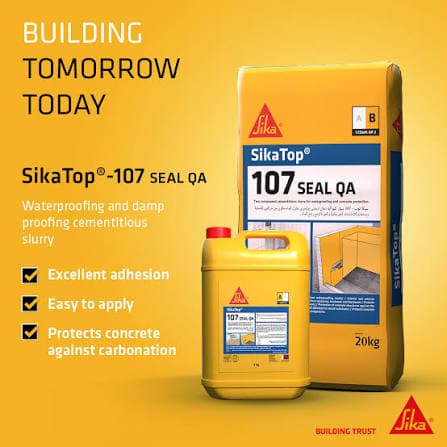
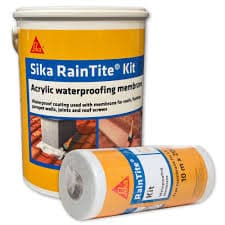
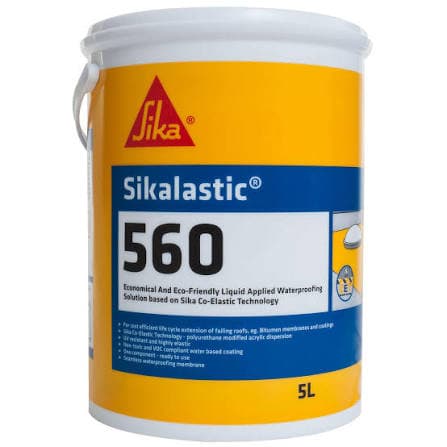
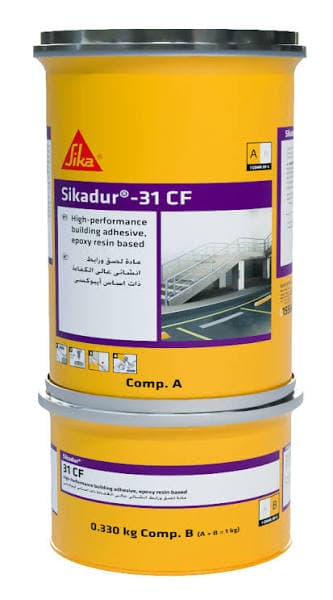
A sample of the systems we stock and install — full catalogue and technical data sheets on request.
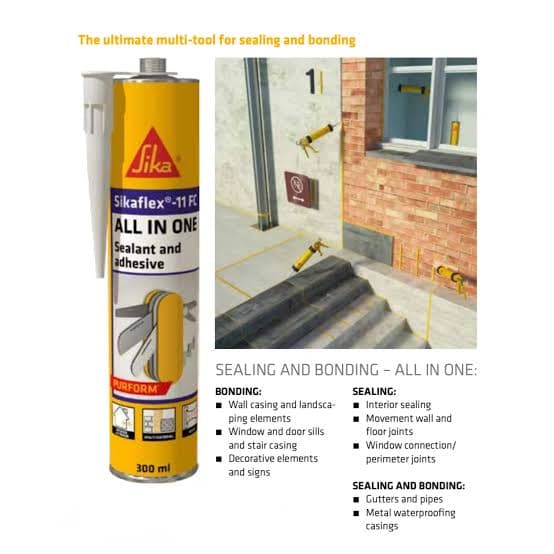
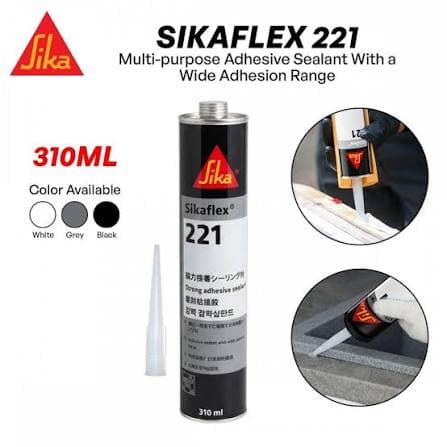
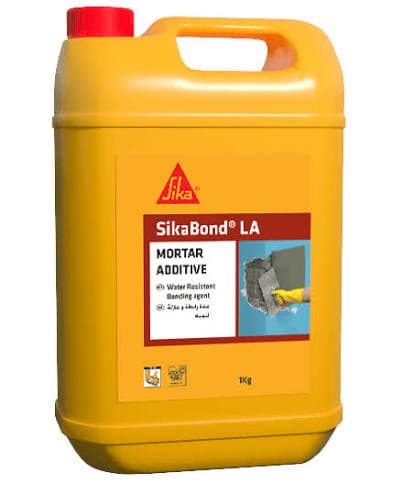
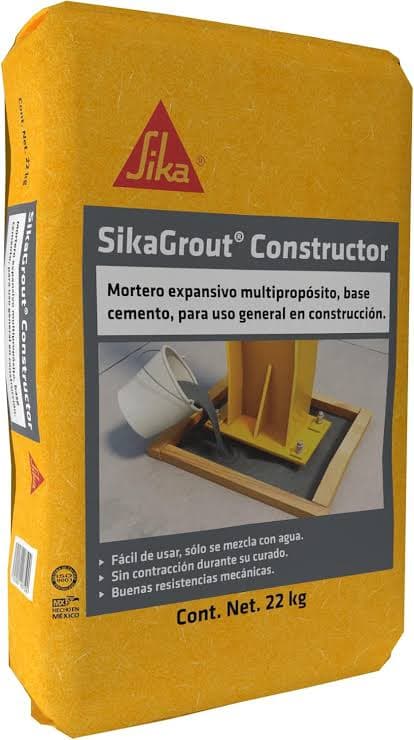
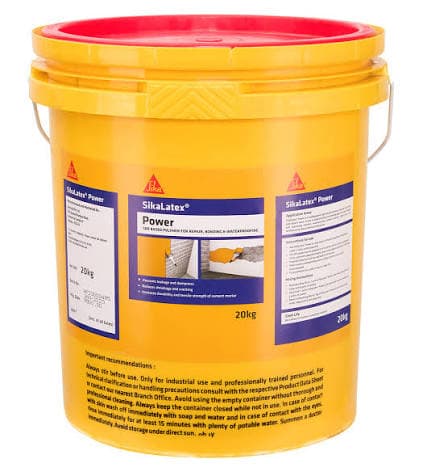
Sika
SikaLatex Power
Synthetic rubber emulsion bonding agent and waterproofing admixture.
SpecificationProjects
Recent work across Rwanda
From single-family homes to commercial podium decks — see how the process holds up on real sites.
.jpg&w=3840&q=75) Commercial
CommercialKigali
Podium Deck Waterproofing
Full torch-on membrane system and drainage detailing across a multi-level parking podium deck.
Case study.jpg&w=3840&q=75) Residential
ResidentialMusanze
Below-Grade Basement Retrofit
Negative-side crystalline waterproofing to resolve chronic basement flooding in a family residence.
Case study.jpg&w=3840&q=75) Hospitality
HospitalityKigali
Rooftop Terrace & Pool Deck
Liquid-applied waterproofing beneath a trafficked pool deck, engineered for foot traffic and UV exposure.
Case study.jpg&w=3840&q=75) Industrial
IndustrialHuye
Industrial Roof Rehabilitation
Full re-waterproofing of an aging industrial roof to eliminate recurring leaks over storage areas.
Case studyKnowledge Hub
Answers to the questions we get asked most
Written for property owners and contractors — plain technical guidance, no upsell.
Membranes
Sheet, Liquid, or Cementitious — Which Waterproofing Membrane Actually Fits Your Slab?
Every membrane on the market falls into two families: rolled-out sheets or liquid coatings you brush, spray, or trowel on. The right choice depends on the surface, not the sales pitch.
Membranes
Cementitious Waterproofing: Why It's the Workhorse for Tanks and Basements, Not Roofs
Cementitious coatings bond to concrete like nothing else and can go on wet surfaces — which is exactly why they dominate water tanks and below-grade work, and why they struggle left exposed on a terrace.
Membranes
Polyurethane Membranes: The Flexible Option for Roofs and Terraces That Move
When a surface expands, contracts, or has to bridge hairline cracks without splitting, polyurethane liquid membranes are usually the answer — at a higher cost than cementitious systems.
Membranes
Bituminous Waterproofing: Torch-On, Self-Adhesive, or Liquid — What's the Difference?
Bitumen-based waterproofing comes in three distinct forms with very different installation risks. Knowing which one you're getting matters more than the word 'bituminous' on the quote.
Membranes
Waterproofing Concrete From the Inside: How Integral Admixtures Work
Instead of coating concrete after the fact, integral admixtures are mixed in at batching so the concrete itself becomes the water barrier — with real advantages for tanks and basements poured from scratch.
Membranes
Why Serious Waterproofing Specs Now Combine Two Systems, Not One
No single waterproofing product handles every risk on a structure. The trend on larger projects is layering two complementary systems so a weakness in one is covered by the other.
Damp & Rising Damp
Rising Damp: What's Actually Happening in Your Wall, and How to Stop It
Rising damp is groundwater climbing through masonry by capillary action — and it's one of the most misdiagnosed problems in construction. Here's how to tell it apart from other types of damp before you treat it.
Damp & Rising Damp
Damp Patch on the Wall? Don't Treat It Until You Know Which of the Three Types You Have
Rising damp, penetrating damp, and condensation look similar on a wall but need completely different fixes. Treating the wrong one wastes money and doesn't solve the problem.
Damp & Rising Damp
Those White Powdery Marks on Your Wall Aren't Mould — Here's What Efflorescence Actually Means
Efflorescence looks alarming but is a symptom, not the disease. It tells you moisture is moving through masonry and carrying dissolved salts with it — and points you toward the real source.
Repair & Injection
Water Coming Through a Crack? Polyurethane Injection Is Usually the Fix, Not a Full Re-Waterproof
A single leaking crack in a basement wall, water tank, or foundation rarely needs the whole surface re-done. Injecting the crack itself is faster, cheaper, and often more durable.
Repair & Injection
Epoxy or Polyurethane Injection? The Difference Between Strengthening a Crack and Sealing It
Both are pumped into cracks under pressure, but they solve different problems — one restores structural strength, the other stops water. Using the wrong one wastes the repair.
Repair & Injection
Why Every Concrete Joint Below Ground Needs a Waterstop — and What Kind
Construction and expansion joints are the single most common point of water ingress in below-grade concrete. A waterstop cast into the joint is the standard, and often mandatory, defence.
Below-Grade Waterproofing
Basement Waterproofing: Why Where You Apply the Barrier Matters as Much as What You Use
Positive-side and negative-side waterproofing solve the same problem from opposite faces of the wall, with very different levels of effectiveness — and very different levels of disruption to install.
Water Storage
Waterproofing a Drinking Water Tank: Why 'Food-Grade' Isn't Optional
A cracked or poorly coated water tank doesn't just leak — it can contaminate drinking water. Tank waterproofing has requirements that ordinary structural waterproofing doesn't.
Wet Areas & Bathrooms
Tiles Are Not Waterproof: Why Bathrooms Need a Membrane Before the Tiler Starts
Grout is porous and silicone joints age out. Without a proper membrane under the tiles, water works its way into the substrate long before you'll see a visible leak.
Roofing
Why Flat Roofs Leak in the Rainy Season — and What to Check Before It Starts
Ponding water, blocked drains, and UV-weakened membranes are the usual suspects behind rainy-season roof leaks. Most of them are preventable with an inspection before the rains, not after.
Buying & Specifying
Waterproofing vs Damp-Proofing: Two Different Jobs Often Confused as One
These terms get used interchangeably on site, but they describe different levels of protection — and specifying the wrong one for the pressure conditions your structure faces is a common, costly error.
Water Storage
Swimming Pool Waterproofing: A Structure That's Waterproofed From Both Directions
A pool has to hold water in and, depending on the water table, resist groundwater pushing back from outside — which is why pool waterproofing often needs both positive- and negative-side thinking at once.
Buying & Specifying
Beyond Waterproofing: What Concrete Admixtures Actually Do and When You Need Them
Superplasticizers, pore-blockers, and crystalline agents each solve a different problem in the concrete mix. Understanding what each one does helps you ask a supplier the right questions.
Buying & Specifying
What Should Actually Be in a Waterproofing Quote — And Why the Cheapest One Often Isn't
A waterproofing quote that only lists a product and a price per square metre is missing the details that actually determine whether the job lasts. Here's what to ask for before you sign.
Buying & Specifying
A Simple Pre-Rainy-Season Maintenance Check for Any Waterproofed Structure
Waterproofing isn't a one-time job — even a correctly installed system degrades gradually, and a short seasonal check catches most problems while they're still cheap to fix.
Client Experience
What it's like to work with Freeman
“Freeman diagnosed the actual source of the leak before selling us anything. The roof has stayed dry through two rainy seasons now.”
Jean-Paul N.
Facilities Manager, Commercial Property
“They explained every step in plain language and stood behind the work. Our basement has not flooded since the retrofit.”
Aline M.
Homeowner, Kigali
“Technical support on-site, not just product delivery. That is the difference working with Freeman makes on a tight schedule.”
Eric R.
Site Engineer, Contracting Firm
Stop guessing why it leaks.
Get a technical answer.
Tell us what you’re seeing and where. We’ll respond with next steps — usually within one business day.